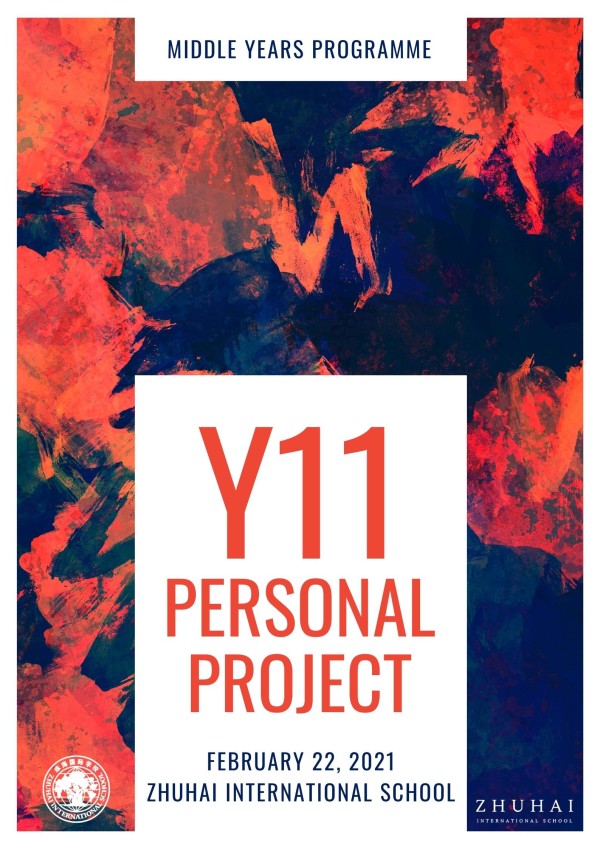
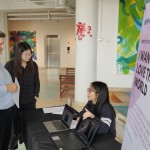
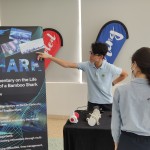
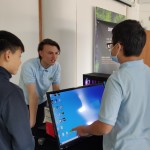
It was an important day for the Year 11 students that displayed the products of their MYP Personal Projects, sharing their goals and processes with the students and teachers at ZIS. It was an inspiring moment for the younger peers to see the successfulIB framework that they are discovering every day in class culminating in projects based onpersonal engagement and own commitment. An occasion for the DPsto praise the showcasing of meaningfulperformances.The Personal Projectis thework that crowns the journey of an MYP student as the PYP Exhibition and the Extended Essay do for the other IB programs. Theworkstarts at the end of Year 10 and takes place throughout the last year of the Middle Years Program. The students define their goals in an area of personal interest and build their own strategy, starting with research, setting a meaningful and challenging goal, and eventually accomplishing a final product, concluding with quite an extensive report about the whole journey.In the ZIS foyer we could experience and ask questions about different fascinating topics discovered through the lens of various Global Contexts: a documentary on the life of a bamboo shark seen in perspective of the natural world and its laws, a fashion show with clothes made of recycled items with an eye to globalization and sustainability, a novella telling a story of body shaming and bullying with the main focus on identities and relationships, an animated video about the positive aspects of pets helping teenagers with depression, a home built functioning computer to understand better how humans use their understanding of scientific principles and a discovery of different cooking methods and recipes for Chinese traditional foods to inquire in personal and cultural expressions.The Year 11s showed confidence and maturity responding to the curiosity of the visitors to their stations, from the youngand older students alikequestioning about the more practical aspects of their work and the more complex and demanding inquiries of the teachers. They surely made a solid and meaningful experience that shaped their personalities and their minds.
Mr. Corti – MYP Personal Project Coordinator